
A Woman in Afghanistan: My Experience in the Country that ‘Hates Women’
By Amina -
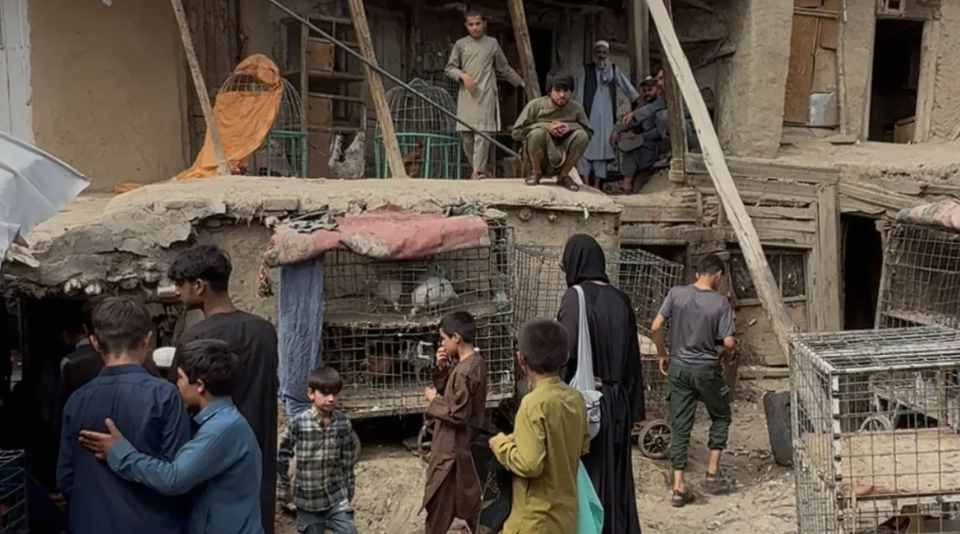
In July 2025, I visited Afghanistan. I wanted to see beyond the headlines, to experience what Afghanistan was truly like. I crossed into the country through the Torkham border with Pakistan. Before even stepping foot in Afghanistan I witnessed chaos and desperation. The scene at the border was overwhelming: traders shouting, children offering to push carts, and families dragging mountains of luggage. But what struck me most were the women in wheelchairs. Many weren’t disabled - they were patients. Women pushed across by relatives, wrapped in blankets, coming to Pakistan for medical care.
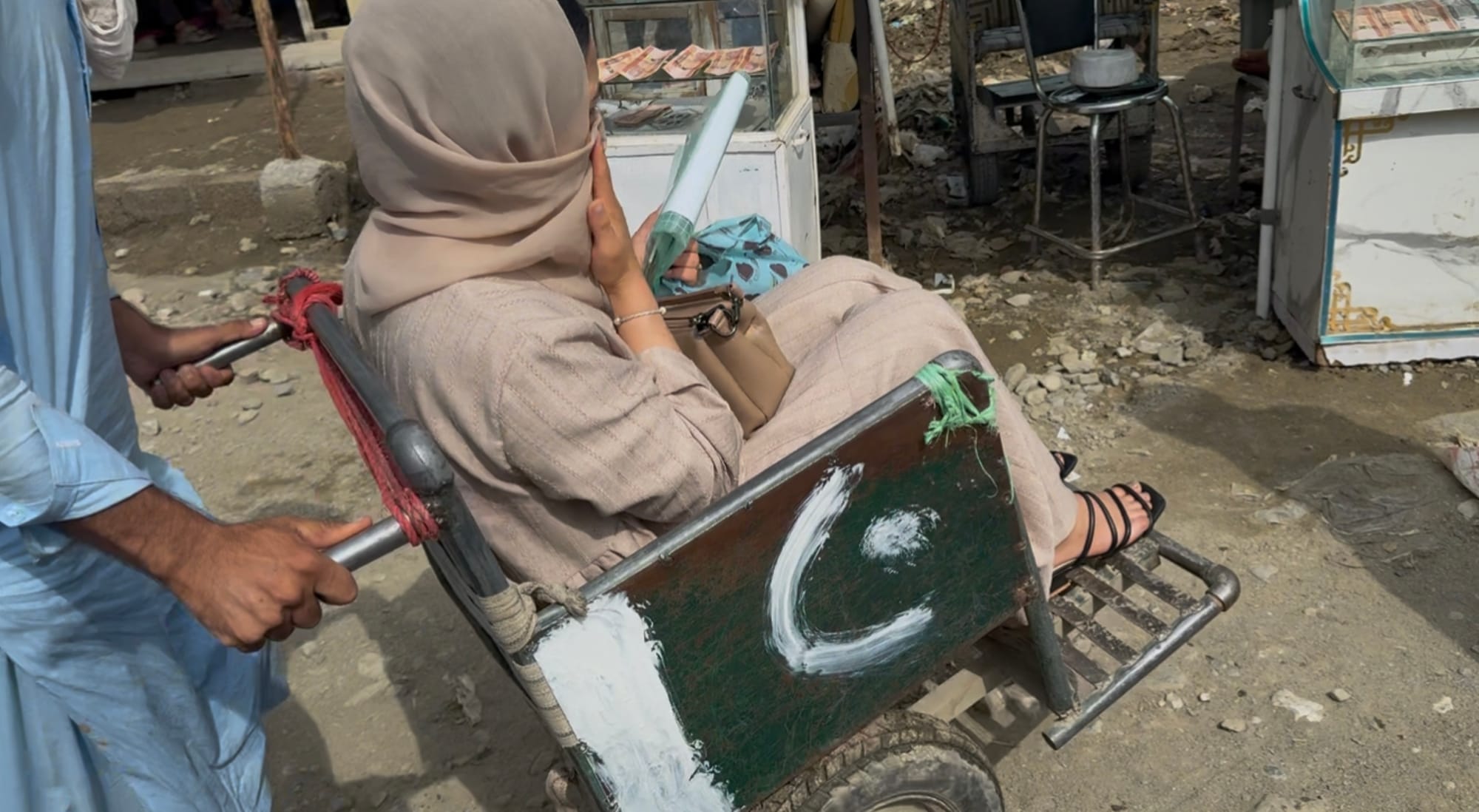
In Afghanistan, women’s healthcare is essentially non-existent. In many areas, women cannot be treated by male doctors, and there are only a handful of female doctors left in the country. Additionally, with girls banned from school beyond grade six, there will be no new generation of female doctors. The situation is dire but is set to get considerably worse.
That is why these women cross the border - but even then, they can’t travel alone. A male guardian is required, doubling costs. One man told me his village pools money just to send a single woman for treatment. If you can’t afford it, you stay home. You suffer.
First Impressions
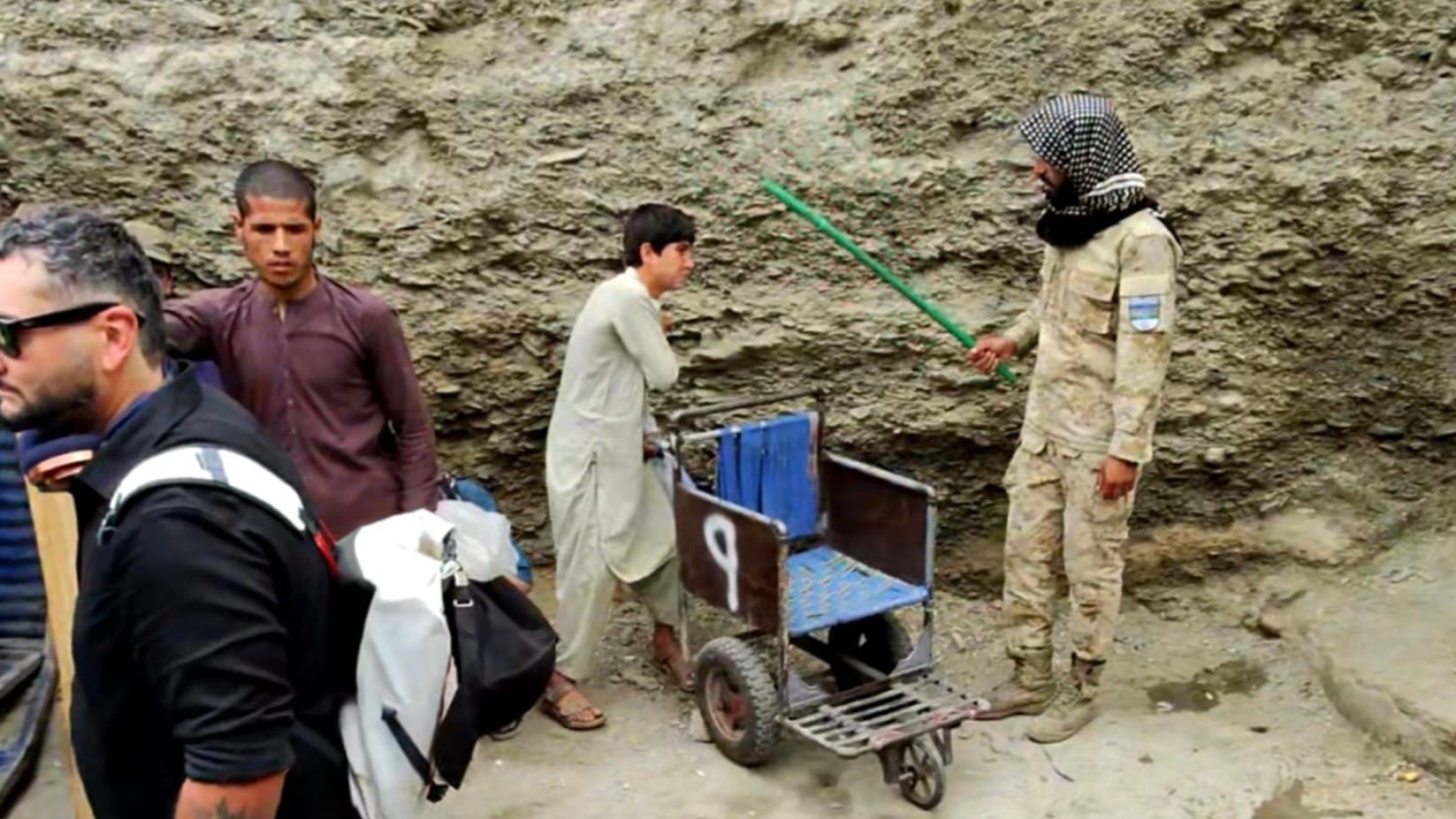
Once inside Afghanistan, the contrasts were immediate. Children as young as five carried heavy loads between the gates. Taliban guards patrolled with sticks, striking people who cut in line. On the Pakistani side, kids worked too, but at least they moved freely without fear of being beaten.
The road to Kabul felt like travelling through time: dusty villages giving way to mountains, then finally a city of two worlds. Modern cafés and shopping malls stood alongside crumbling markets and narrow streets. By night, the silence was eerie. Music and dancing are banned. Billboards are stripped of faces. Even car stereos aren’t safe - if the Taliban hear music, they smash it.
In Kabul’s old markets, I was struck by both colour and poverty. Spices glowing red and gold, fresh naan baked in clay ovens, and traders shouting above the chaos. At the same time, children tugged at my sleeves and women begged for help. I couldn’t give money to everyone, so I bought a huge bag of sweets and handed them out. It wasn’t much, but it was something.
Hospitality and Control
Afghans are among the most generous people I have ever met. Strangers waved me over to share fruit and bread, refusing payment despite having so little. But being a woman meant hospitality was not always extended to me. My husband, Alex, and our friend Jonny were often invited by the Taliban for tea and meals; I was excluded.
The food was unforgettable: bolani (fried flatbread stuffed with potato and leek), fragrant pilaf, delicate mantu dumplings, and endless fresh bread with rich sauces. Every meal was made with pride and tasted incredible.
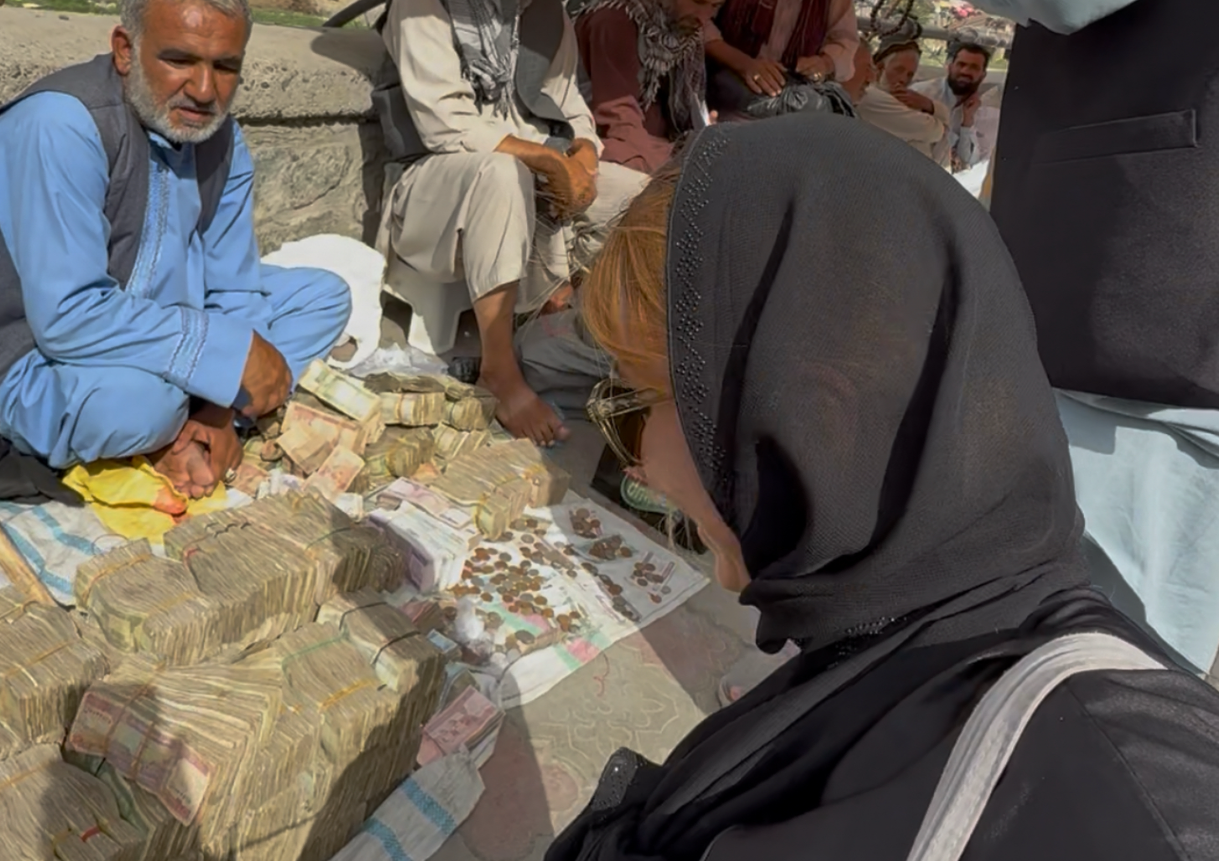
In a weird way, you could tell the country is safe. One memorable example was witnessing Kabul's money-exchange market while walking through the city. I saw men sitting on the pavement with literal piles of cash laid out on the ground. No safes, no guards - just pure confidence that the money would not be stolen. Our guide told us crime in Afghanistan is rare because punishment is severe and instant.
However, speaking of our guide, I must mention that conversations with locals were often cut short. Our tour guide would intervene and say something in their language, suddenly the warmth disappeared and our conversation would abruptly come to an end. It was clear he was filtering our experience, avoiding criticism of the Taliban and even inventing stories. He insisted Pakistan destroyed the Bamiyan Buddhas because they were jealous of "Afghanistan's culture and tourism”. In reality, these statues that stood for over a thousand were destroyed by the Taliban in 2001. His behaviour reminded me of North Korea: an experience controlled, shaped, and sanitised.
Band-e Amir: Beauty with Limits
One of the most breathtaking places I saw was Band-e Amir National Park - six turquoise lakes high in the Hindu Kush. From certain angles it looked like Switzerland. But while men can swim and picnic freely, women are banned.
Since 2021, the Taliban have barred women from the lakes, claiming women didn’t wear the “proper hijab.” Locals whispered that if you arrive at 6 a.m., before the checkpoints are manned, you might slip through. That’s what we did.
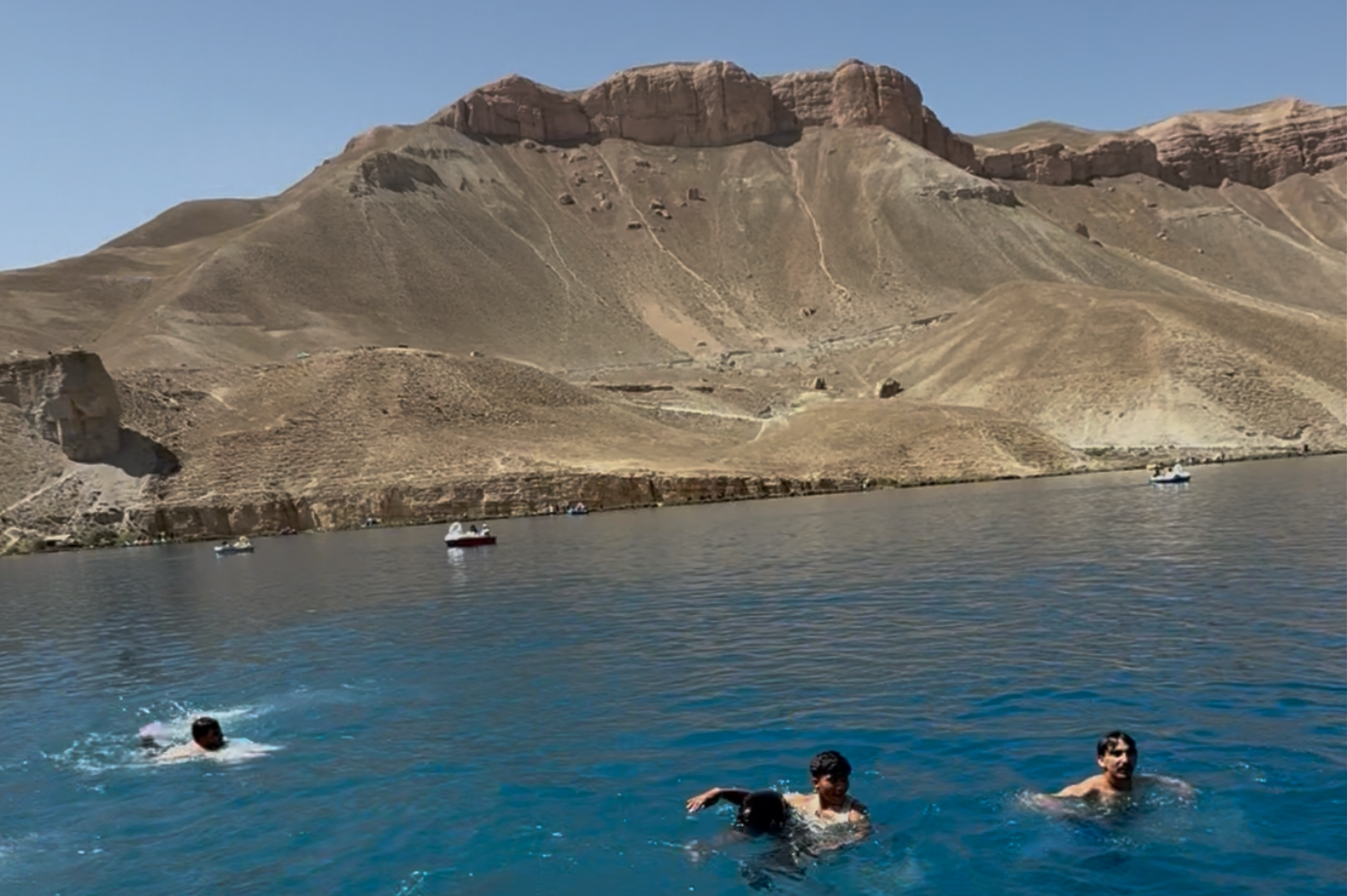
I watched Afghan families spread picnic blankets and enjoy the beauty - women included. But by 10 a.m., higher-ranking Taliban officials arrived, shouting orders and forcing women into a segregated corner, far from the water. Once again the Taliban drained the joy of Afghan women.
Living as a Woman
Travelling as a woman in Afghanistan was complicated. For the most part, I felt safe - but two incidents left deep impressions.
In Kabul, a gust of wind revealed my ankles. Two men followed me, laughing and staring. My guide told me to wear trousers under my dress from then on. The second example was worse. In a crowded market, a man groped me. I shouted. A crowd gathered and berated the man until he backed away. My guide told me later that if the Taliban had been there, the man would have been beaten or jailed. However, the experience of travelling to Afghanistan as a woman is considerably different to living in Afghanistan as a woman. As a foreigner, I could speak up. Afghan women cannot. In Afghan law, a woman’s word counts as half of a man’s.
Daily life for Afghan women is suffocating:
- Girls can’t study beyond grade six.
- Women are banned from most jobs, gyms, parks, beauty salons, and even restaurants.
- They can’t travel without a male guardian
- Work is very limited and they can’t businesses in their own names.
- Sports are off-limits.
Marriage is almost always arranged, often without the woman’s input. Child marriage remains common, especially in rural areas.
The ban on education is perhaps the most devastating. Women who trained before 2021 still work as doctors, nurses, and teachers, but they are the last generation. With universities closed to women, there will be no replacements. Once they retire, millions of Afghan women will lose access to healthcare and education altogether.
Meeting Afghan Women
The most emotional moments of my trip came from meeting Afghan women themselves.
In Kabul, I met Liza (not her real name), a young woman who invited me to her home. She studies English online using her brother’s phone and scraps of paper. Her father is gone, leaving her mother and siblings to survive together. She told me through tears how depressed and suicidal she feels, how many friends have taken their own lives, and how trapped she is. Her life consists of staying home, cleaning, going to the mosque and not much else.
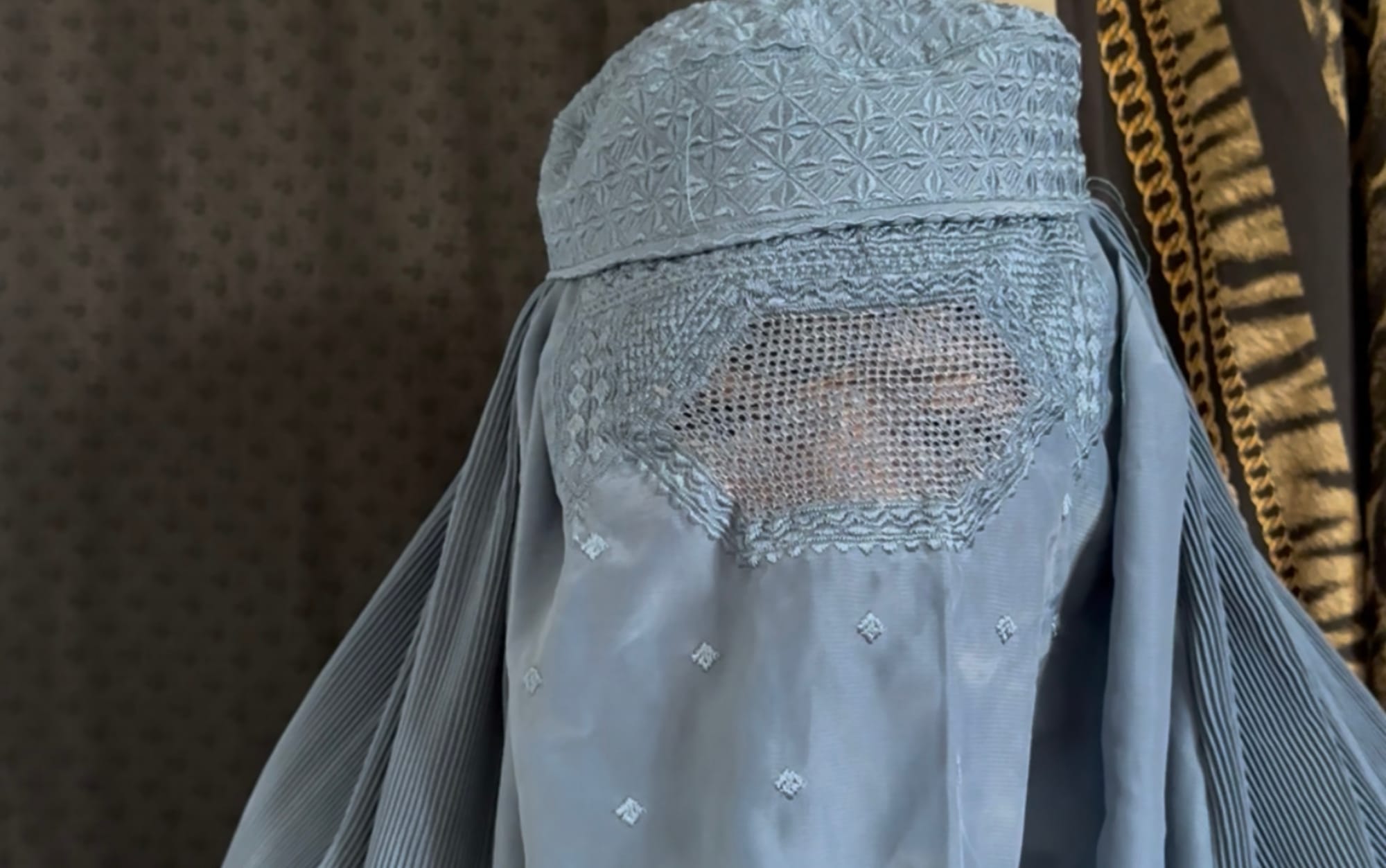
Then there is Zuhal, a twenty-year-old running an underground online university for 6,000 girls. Most classes happen late at night when the internet is stronger. What she is doing is illegal and dangerous. A man was once beaten until he couldn’t walk simply for selling books to girls. Zuhal dreams of leaving Afghanistan so she can run her school more safely. You can read more about Zuhal here.
These women reminded me of the courage and resilience of Afghan women and girls, even as the world closes in around them.
Leaving Afghanistan
Crossing into Uzbekistan, I felt a rush of relief - and guilt. I could leave. Afghan women cannot.
Before I visited, I expected to see a country decimated by war - I expected to see destruction everywhere and a society plagued by anarchy. But this was not the case. I saw no signs of destruction, and rule of law does exist - although in a way that the Taliban see fit. So, is Afghanistan as the media portrays it? Yes, and no. It is a land of contradictions: breathtaking beauty and crushing poverty, hospitality and fear, resilience and oppression. I saw kindness everywhere, however, at the same time, in almost every interaction, I came across rules that were designed to strip women of their dignity and freedom.
Should You Visit?
People often ask me if I recommend visiting Afghanistan. My answer: it depends.
For men, the country can feel surprisingly safe. Many vloggers film themselves drinking tea with the Taliban, paddling across lakes, and describing Afghanistan as “amazing.” But that is not the full story.
For women, “safe” does not mean free. You cannot capture the reality of Afghan women’s lives in a photo of a smiling tourist. To understand Afghanistan, you need to hear the voices of women like Liza and Zuhal - women fighting daily for their right to study, work, and simply live.
I am raising money for Liza and her sister to be able to pursue their education more easily. If you want to help reach out to me on instagram @amina_finds
Member discussion