
House of Lords Reform: Is Change Finally Coming?
By Wali Khan
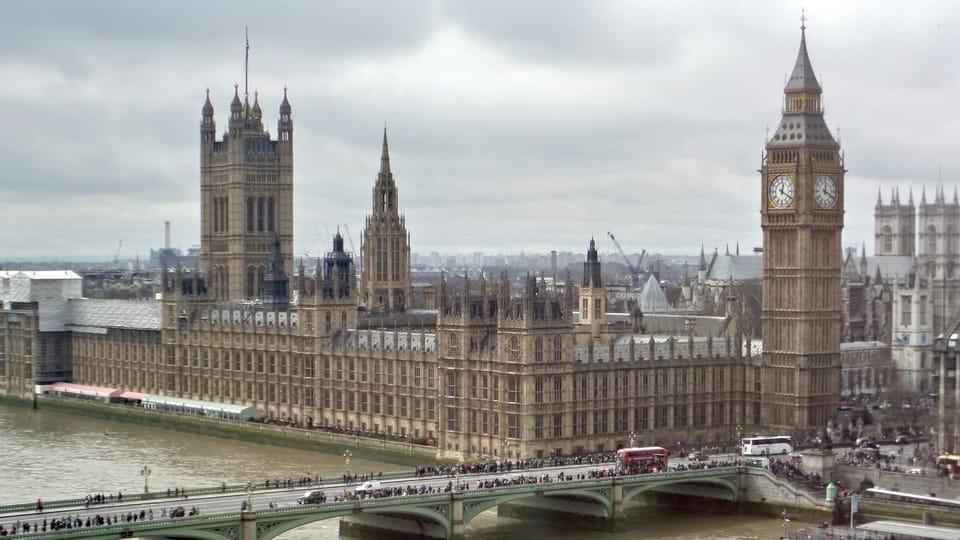
For decades, House of Lords reform has been a recurring aspect of British politics. Promises have been made, but little action has been taken. Consequently, in 2025, the UK still has one of the largest unelected legislative bodies in the world, a chamber stuffed with aristocrats, political appointees, and bishops.
In its manifesto, the Labour government promised to finally remove hereditary peers, introduce retirement ages, and crack down on absentee members. If implemented, this would be a truly historic reset. However, thus far, reform has been cautious and more symbolic than seismic.
Starmer’s manifesto set out five priorities.
- Abolish hereditary peers.
- Force retirement at 80.
- Introduce participation rules to avoid absenteeism
- Tougher discipline for misconduct.
- Reform appointments to better reflect the nations and regions of the UK.
Labours House of Lords (Hereditary Peers) Bill is significant, and popular with the public. Hereditary peers are members of the House of Lords who inherit their titles through their families. Most of them were removed in 1999 and the bill - currently making its way through the House of Commons - aims to remove the remaining 92 aristocratic seats.
Naturally, the Lords had other ideas. In July they amended the bill to keep current hereditaries but abolish by-elections meaning the group would fade away over decades. In September, MPs will decide whether they back the Commons in a clean abolition, or will they allow the Lords to drag it out.
Removing these members will make progress toward another major issue with the House of Lords - its size. At more than 800 members, it’s one of the world’s largest unelected legislative bodies. However, the Prime Minister has already created nearly 80 new life peers since taking office, enough to offset most of the reductions from the bill.
Other important issues are:
- Prime Ministers appoint allies, donors, even failed MPs
- Representation: The chamber does not reflect the UK population.
- Members can sit for decades.
- Automatic seats for bishops are hard to defend in a multi-faith democracy.
Polling suggests the general public knows these problems exist. Surveys show strong support for a smaller chamber, term limits and curbs on appointments. It is clear that removing hereditaries alone is not enough.
Despite popular support it seems the power to appoint peers is a political tool that no leader wants to give up. Additionally an elected chamber may challenge the supremacy of the Commons. This is why Starmer, like his predecessors, is sticking to incremental fixes rather than reform. They’re deliverable, they avoid turmoil in parliament, and they let Labour say it has done something. They
The coming months are crucial.
- September 2025: The Commons votes on the hereditary peers bill.
- A Lords committee is expected to explore retirement ages and participation rules.
- Appointments reform may be pushed again, with calls to put Appointments Commissions on a statutory footing.
It seems change is finally coming - but not in the way many imagine.
By the end of the year, hereditary peers may at last be gone, and female bishops will be guaranteed their place. However, issues of size, patronage, and legitimacy remain. Unless Labour moves on appointment and limits, the Lords will stay bloated and unrepresentative.



Member discussion