
New UK Law Set to Ban Protests at MPs’ Homes
By Wali Khan -
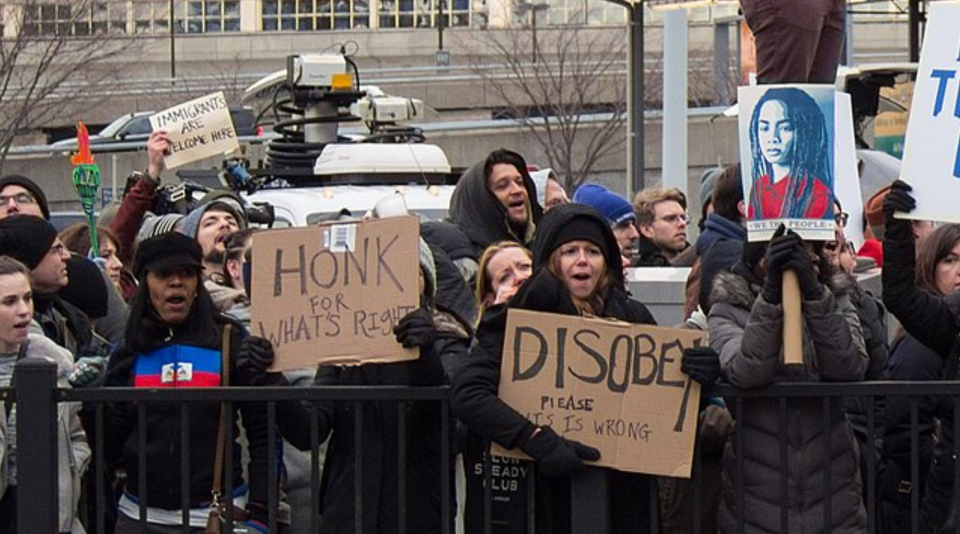
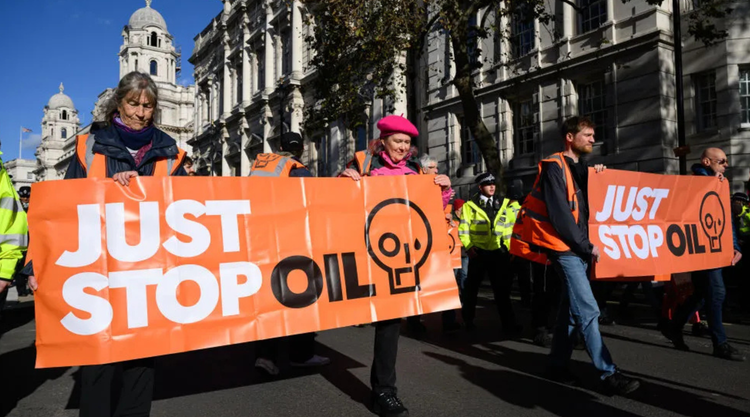
The government is planning to amend the Crime and Policing Bill to introduce stricter measures against protestors who demonstrate outside the homes of MPs, peers, councillors, or any person who has stood for public office, “with the intention to influence them in their role or an aspect of their private life.”
If the amendment is approved, protestors could face up to six months in jail. The Home Office has justified the proposal as a way to tackle “intimidation” rather than legitimate protest, while the government has emphasised the need to reduce harassment within politics - one survey found that 96% of MPs have faced harassment or intimidation.
However, concerns about the public’s right to protest remain, from both sides of the political spectrum. Earlier this year, Palestine Action was proscribed as a terrorist organisation - a group known for engaging in non-violent acts of protest intended to disrupt Israel’s actions in Gaza. This decision made participation in, or support for, the group a criminal offence. The move sparked significant backlash and eroded public trust in the government amid fears that legitimate protest is being suppressed.
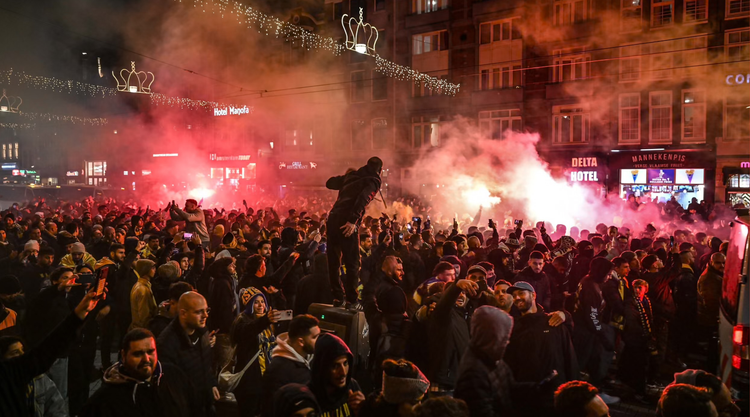
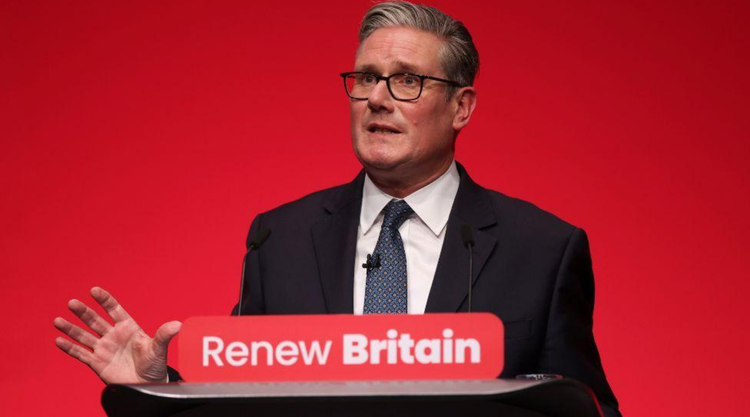
For those on the political right, the proposal is equally concerning. Many have already labelled Keir Starmer a “tyrant,” particularly in light of his response to the Southport riots, which popularised the nickname “Two-Tier Keir.” Some of those charged with offences during the riots were treated by supporters as political martyrs - the most prominent example being Lucy Connolly, who was sentenced to 31 months in prison for inciting rioters on X (formerly Twitter) to burn down hotels housing asylum seekers. Upon her release, after serving just one year, she was celebrated across right-wing media and even appeared at Reform UK’s party conference as a so-called political prisoner.
Against this backdrop, the proposed law risks being seen as yet another unpopular decision by the Labour government. Large sections of the public - whether aligned with the left or the right - already distrust the government’s approach to protest, and this legislation may further inflame tensions.
That said, the proposal does address a serious issue. In the past decade, two MPs - Jo Cox and Sir David Amess - have been murdered, and many others receive regular harassment, including death threats. These tragic incidents underscore the importance of protecting public servants. While the right to protest must be safeguarded, the right to demonstrate outside a person’s private home does not outweigh the need for safety and security.
Politicians should be able to make decisions free from pressure and intimidation, but they must not use that principle to shield themselves from public scrutiny. Many fear that a ban on protests outside MPs’ homes could mark the start of a broader crackdown on activism. An important consideration must be how the government determines the “intention” to influence? As legal experts have often pointed out - including in recent discussions of genocide in Gaza - intention can be notoriously difficult to prove, even when it appears obvious.
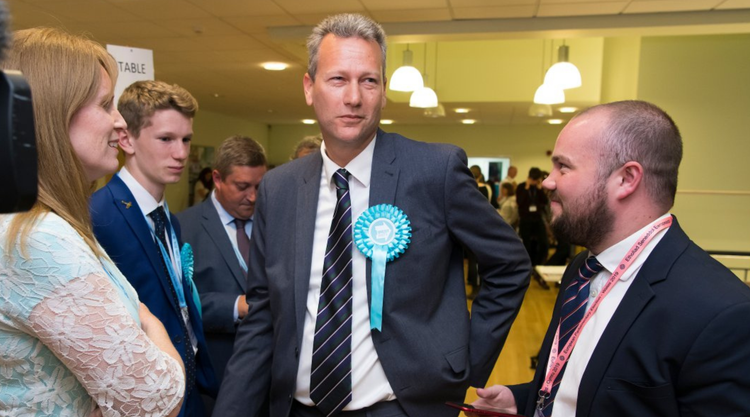
Furthermore, this policy should be accompanied by measures to limit other forms of undue influence over politicians. As demonstrated by the case of Nathan Gill, foreign actors also exert considerable sway over elected officials - not through intimidation, but through financial or political incentives.
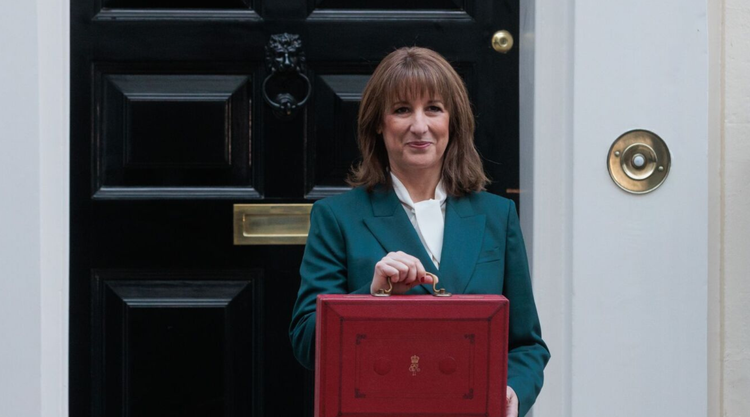
It is important to note that official residences, such as 10 Downing Street, are excluded from the proposal. Protests at such sites would remain unaffected under the current draft of the law.
Member discussion