
One Year On: Labour Needs to Find Its Voice Before Reform Fills the Silence

By Thomas Harrison -
14 years of Conservative rule had left Britain exhausted and in desperate need of a big scoop of reinvigoration. Years of austerity, Brexit turmoil, and political scandal left the public hungry for change - hungry for growth. The 2024 election delivered just that: a new Labour government with a mandate to reset and rebuild. Much of this success was credited to Morgan McSweeney’s disciplined “Ming vase” strategy - Labour’s promise to carry change carefully, without sudden movements.
In the immediate aftermath, the country seemed content with a government that didn’t shout but acted. Keir Starmer’s quiet confidence and steady hand offered contrast to the chaos that preceded him. One year in, and somewhere on the b-side of the mainstream media there’s a growing list of achievements Labour MPs (sometimes) point to (a bit). Three major post-Brexit trade deals with the US, India, and the EU; the launch of Great British Energy; a fall in NHS waiting times; a rollout of school-based nurseries and breakfast clubs; and an expansion of free school meal eligibility to over half a million children.
Yet, despite these successes, the vibes are off.
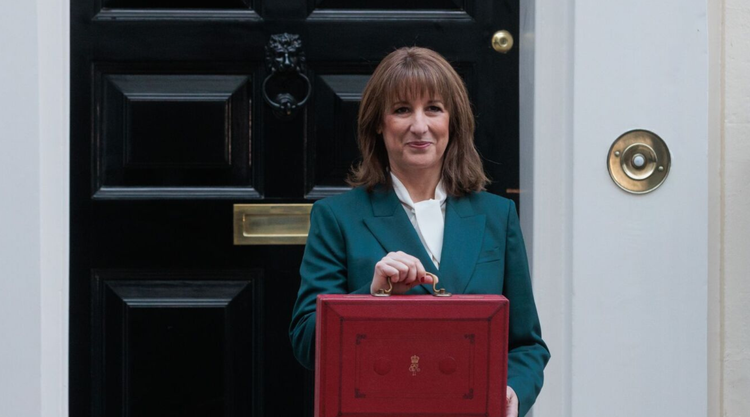
The mood in the country doesn’t reflect the progress. For many, the promise of “change and growth” feels more like a memo than a lived reality. Instead, political debate has been dominated by controversial reforms to the winter fuel allowance and the welfare system. Rachel Reeves’ first budget, while fiscally cautious, has drawn criticism from domestic business. Economic growth remains sluggish. Many Labour supporters feel flat, uninspired, and unsure whether real transformation is truly underway.
And into this vacuum steps Nigel Farage.
Reform UK, fuelled by populist rhetoric and Farage’s dominance of online political discourse, continues to rise in the polls. His message is simple and emotionally charged: the country is broken, immigrants and the “wokerarti” are to blame, and the establishment is failing. It’s a narrative that resonates when mainstream parties fail to cut through.
Labour’s risk isn’t just poor polling - it’s a growing sense that despite a landslide majority, they aren’t yet in control of the narrative. If Starmer and his cabinet want to secure long-term public trust, they need to communicate more boldly and more confidently. The public must hear not just that change is coming, but that it has already begun - and that there’s more to look forward to.
Starmer often speaks about making tough decisions on welfare and defence that are due to pay dividends at some (arbitrary) point in the future. That’s somewhat important. But right now, the country doesn’t need more patience - it needs belief. Less “good times will come,” and more “good times are here - and will get even better.”
The decision to give 16-year-olds the vote has been praised by many as a way to re-energise Britain’s tired body politic. But Labour has to treat this as more than a policy win - it has to use it as a springboard to appear radically optimistic about the future on offer to young people today.
It needs to inspire again. Those on the left of the party should still believe Labour can be dynamic and progressive, while those further to the right can remain reassured by Reeves’ fiscal responsibility and Starmer’s statesmanlike projection on the world stage.
In short, Labour must match its quiet competence with visible conviction. Otherwise, it risks letting others write the story of its first term.


Member discussion