
Sport: You Can’t Leave Politics Out of It!
By Wali Khan -
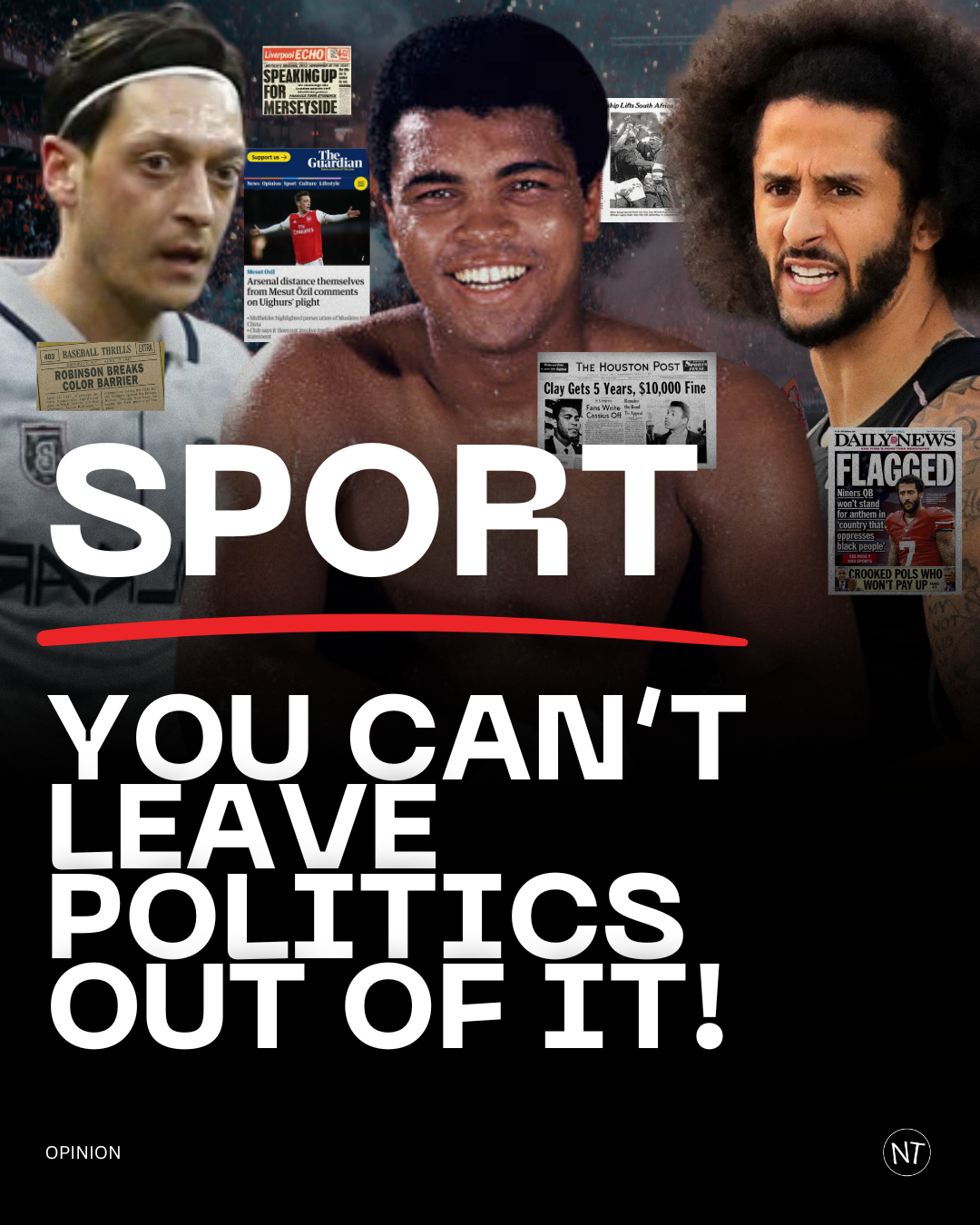
As a Liverpool fan, I love football. I understand sometimes you just want to watch a match without being reminded of the problems in the world. But the truth is, you can’t leave politics out of sport. Again and again, history shows that sport - and athletes in particular - tend to be a reflection of society at a given time. Yet they also continue to be one of the most effective tools in overcoming societal struggles. Whether the issue is race, class, gender, or something else, sport has provided a stage for the disenfranchised to be seen, heard, and represented.
Take baseball. Before 1947, “America’s pastime” mirrored American society - it was segregated. Black players were barred from Major League Baseball and pushed into the so-called Negro Leagues. These leagues showcased extraordinary talent, but lacked the money and facilities of the white leagues. Wages were lower, conditions tougher, and media coverage minimal. Still, they drew large, passionate crowds - sometimes bigger than the white leagues.
In 1947, everything changed. Jackie Robinson hurdled over Major League Baseball’s racial barriers to become the first black player in modern MLB history. Unsurprisingly, he was tormented - he faced constant racial abuse, pitchers threw at his head, he was often spiked on the field, hotels refused to accommodate him when the team was travelling and even his teammates initially refused to play with him. However, Robinson endured and excelled, he won rookie of the year in 1947, and later National League MVP in 1949.
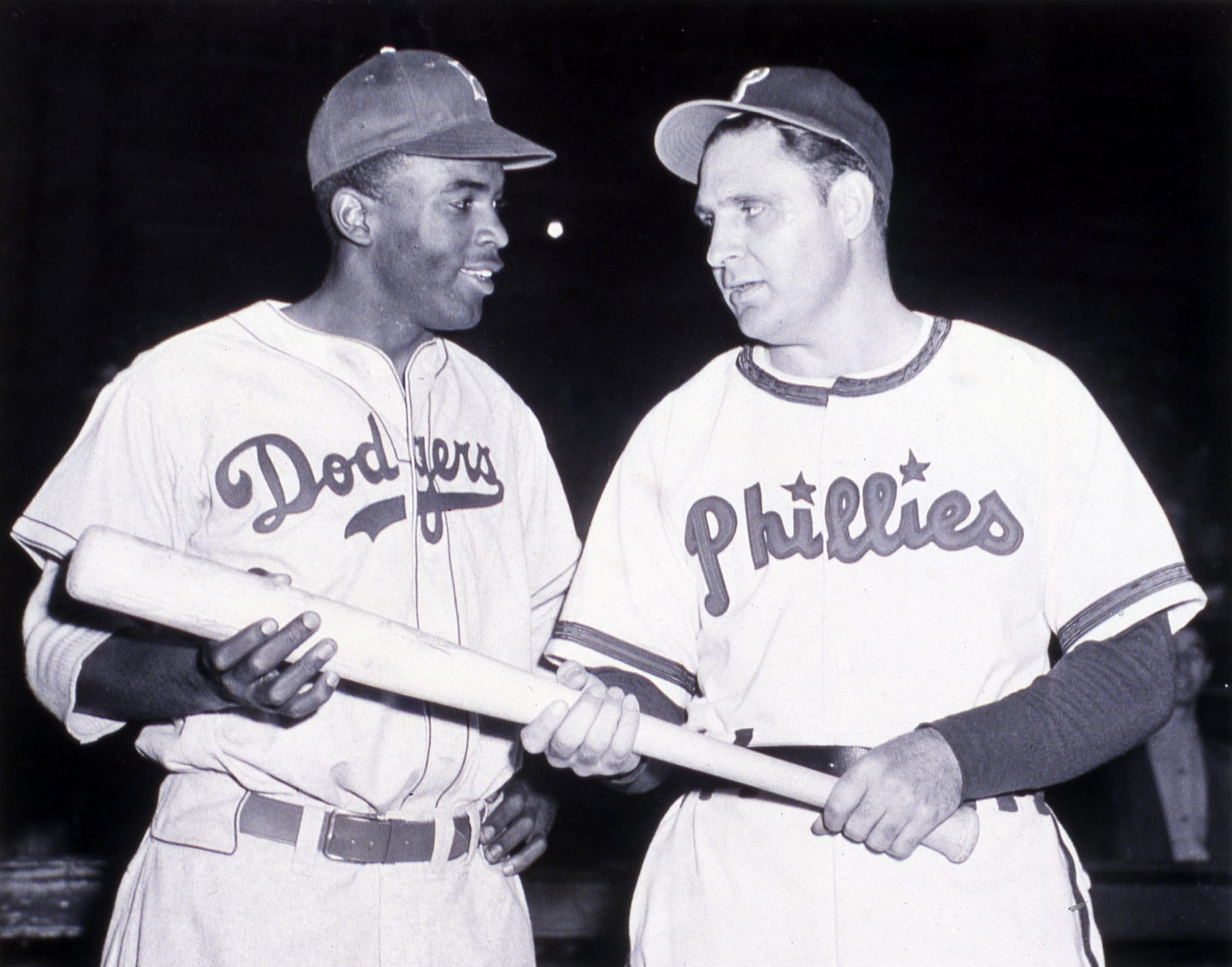
It's important to understand Jackie Robinson and baseball in its full context. He was an incredibly gifted player, and he made it to Major League Baseball purely based on merit. But, his presence in MLB was inherently a form of political protest. By excelling in a segregated game, he shattered one of America’s most visible racial walls. Just a few years later, the Supreme Court outlawed segregation in schools as Robinson became a living symbol of civil rights progress.
Sport supersedes borders, languages, and preconceived biases. My father often spoke of Pelé and Maradona - two men from cultures entirely different from his own. They didn’t speak the same language, they didn’t look like him, but it was obvious they were extraordinary footballers. Through the universal language of sport, they earned his admiration, and thousands of miles away, a connection was formed.
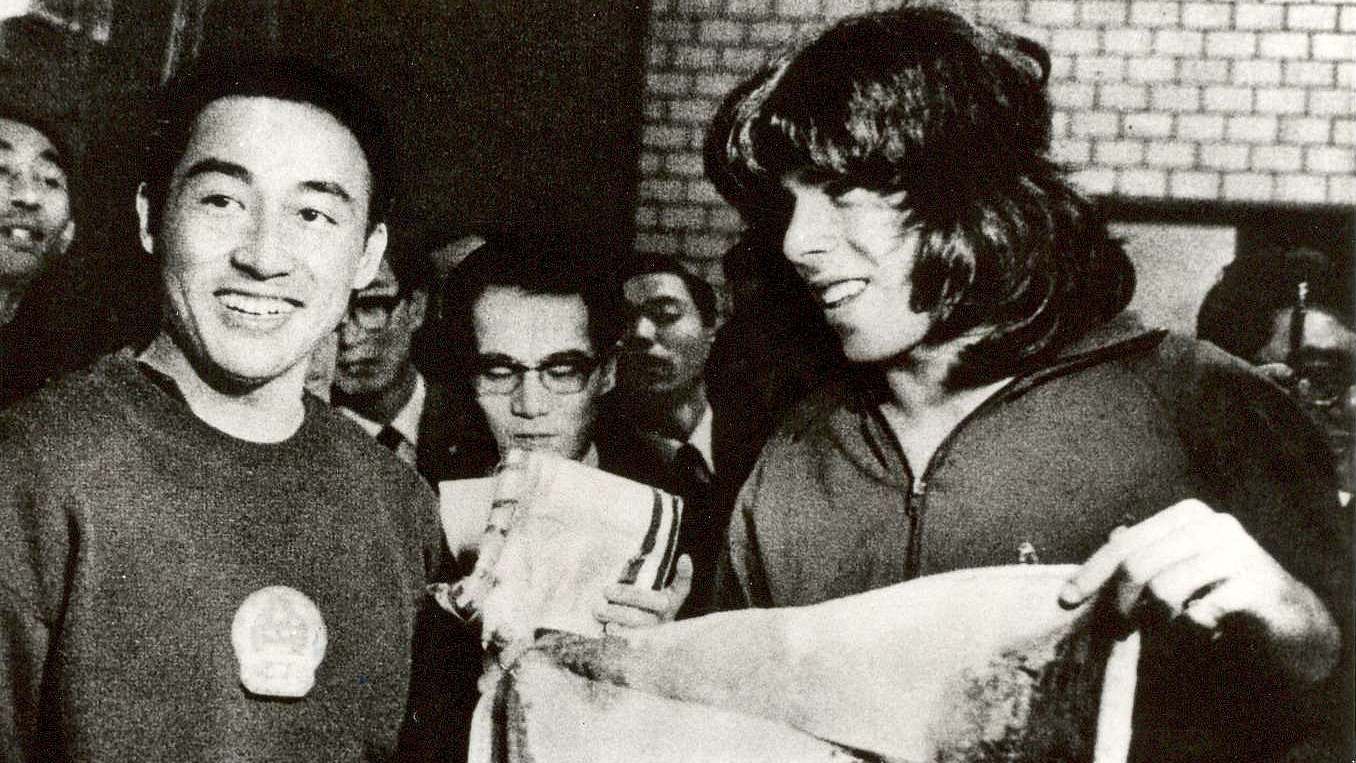
It can also bring entire nations together. During the Cold War, the US and China had been cut off from each other since the Communist revolution in 1949. Relations between the two countries were hostile and were worsening. However, at the 1971 World Table Tennis Championships, American player Glenn Cowan accidentally got on a Chinese team bus - to his surprise, Chinese star Zhuang Zedong greeted him and gave him a silk-screen portrait. A few days later, the US team was invited to China, becoming the first official American delegation allowed in China since 1949. This visit was a turning point in US-China relations and paved the way for President Richard Nixons historic trip to Beijing in 1972 which re-opened diplomatic ties between the two countries.
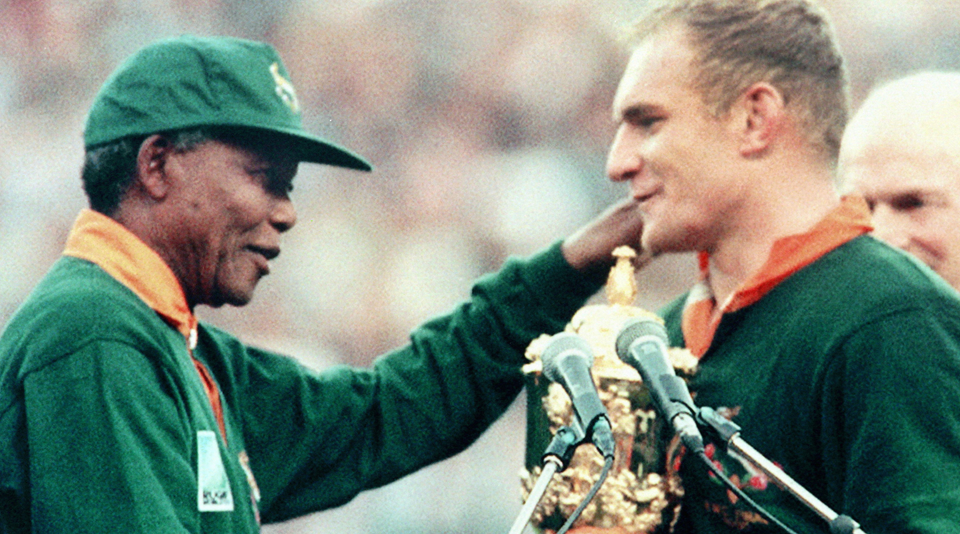
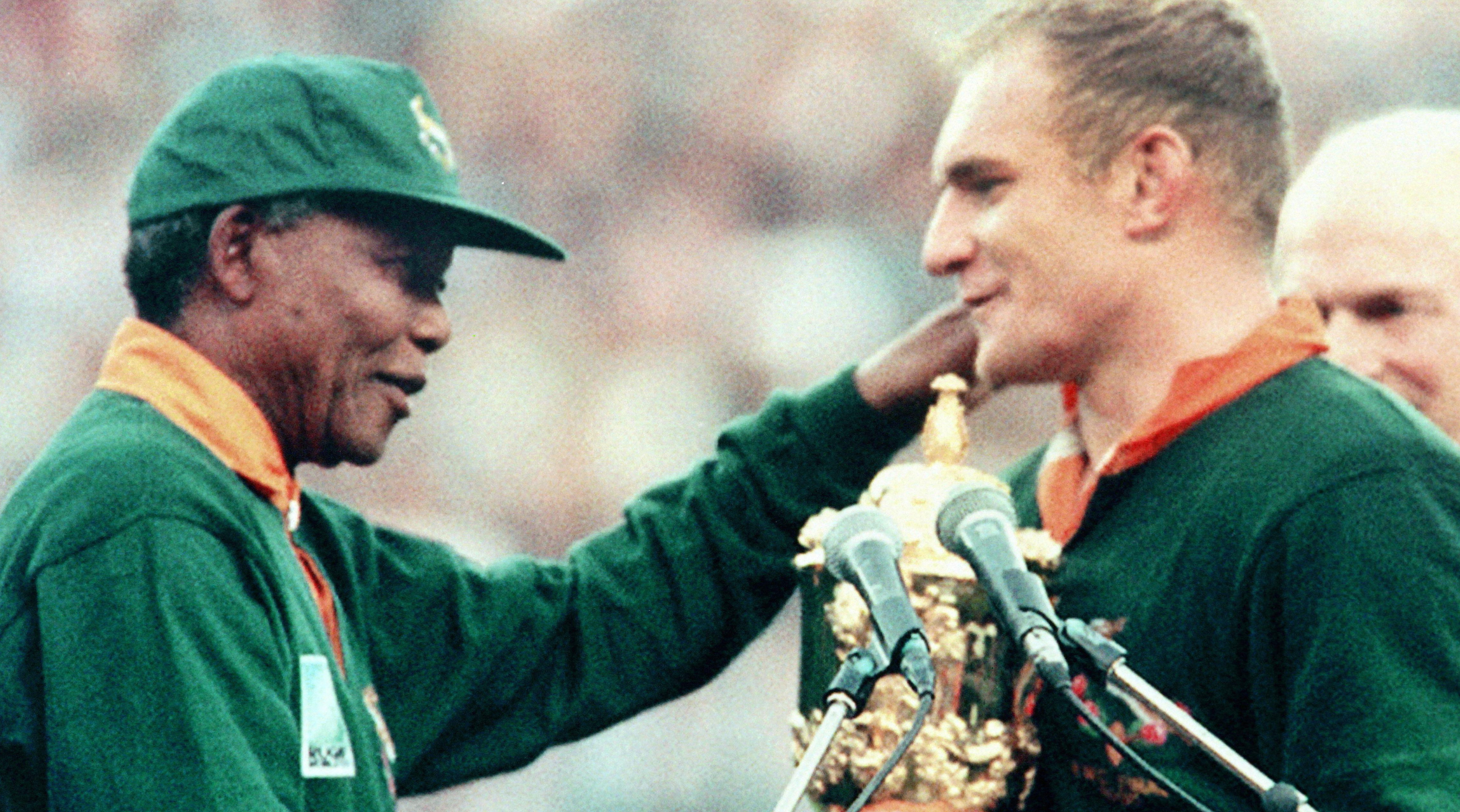
Closer to our time, consider South Africa. The national rugby team, the Springboks, were seen as a symbol of white Afrikaner identity and racial exclusion. In 1964, they were formally suspended from international rugby because of the country's Apartheid policies and they only returned to the sport on an international stage in 1992, once apartheid laws were being dismantled. In 1995, South Africa got the chance to host the Rugby World Cup. It was their opportunity to present the new “Rainbow Nation” to the world. However, most black South Africans still saw the Springboks as a symbol of white supremacy, and many supported opposing teams instead.
Instead of fuelling division he chose to embrace the Springboks as a unifying force and encouraged Black South Africans to support the team. Despite the odds, South Africa made it to the final, facing off against the mighty New Zealand All Blacks. At the final in Johannesburg, a packed Ellis Park Stadium erupted at the sight of Mandela walking onto the pitch before the match wearing the green Springbok jersey and cap with Francois Pienaar’s number 6 on the back. A stadium full of people, many of whom once considered him a terrorist began chanting “Nelson! Nelson!” Miraculously, the Springboks won 15-12 in extra time, but the real spectacle was witnessing a country - so bitterly divided - come together in such a moment.
These stories remind us that sport is more than entertainment. It’s one of the most powerful tools for those denied a voice to gain respect and visibility. Sometimes it may be uncomfortable when athletes use their platforms to speak about injustice. You might think it’s “not what you signed up for.” But at worst, that discomfort is a small inconvenience. For many people, there is no option to switch off. Think of children being killed in Gaza, Afghan women banned from public life, or Ukrainians under constant attack. They don’t have the luxury of escaping politics and more importantly for them it has brutal consequences.
Athletes, celebrities, anyone with a platform has a duty to speak out. They are admired, respected, and listened to by millions. When they raise their voices, they can shine light on issues the world would rather ignore. That isn’t a distraction from sport. It’s the best of what sport can be: a reflection of our struggles, and sometimes, the first step toward change.

Member discussion