
The 2025 Budget: No Tax Rises? Not Quite
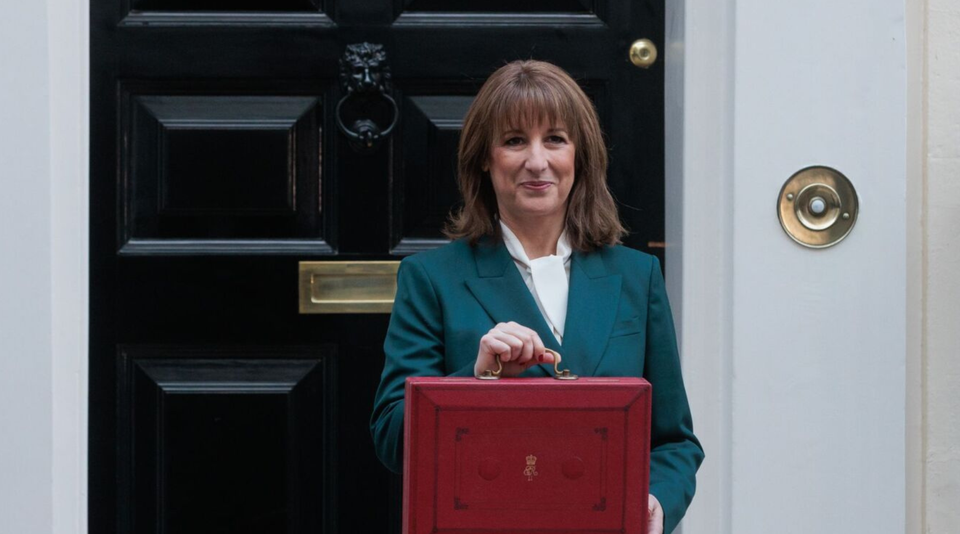
Last week, Rachel Reeves, the Chancellor of the Exchequer, announced the 2025 Budget. Both Reeves and Keir Starmer had promised the public they would not raise headline tax rates, and at first glance, the government appears to have stuck to that promise. However, beneath the surface, many people will still end up paying more as a direct result of several policies introduced in this Budget.
In positive news, the OBR (the UK’s budget watchdog) estimates that the new measures will raise around £26.1 billion extra per year once fully implemented. This provides the government with much-needed fiscal room to manoeuvre, particularly given the pressure on public services and long-term investment.
One of the most widely welcomed changes - especially among Labour supporters and the broader left - is the abolition of the two-child limit on Universal Credit. Set to come into effect in April 2026, this reform is expected to lift around 450,000 children out of poverty by 2029–30. Currently, families only receive Universal Credit payments for their first two children, meaning larger families effectively lose support for any additional children. Removing this limit is projected to benefit around 560,000 families, at a cost of roughly £3bn per year by the end of the decade.
The Budget also announced a rise in the National Living Wage, which will increase by 4.1% from April 2026, reaching £12.71 for workers aged 21 and over, and £10.85 for 18–20 year olds. At the same time, the state pension is set to rise by 4.8%, continuing the government’s commitment to supporting pensioners through the cost-of-living squeeze.
However, the government’s most significant revenue-raising tool is not an explicit tax rise but a continuation of fiscal drag. Income tax and National Insurance thresholds - which were due to unfreeze in 2027–28 - will now remain frozen until 2030–31. This approach quietly increases the tax burden without changing tax rates. As wages rise due to inflation and nominal growth, millions more workers are pulled into higher tax bands. The OBR expects this freeze to create 5.2 million additional taxpayers and increase the number of higher-rate taxpayers by 4.8 million by 2030–31. This means even though people will earn more on paper over the next few years, their purchasing power may fall as tax thresholds won't rise and inflation will likely outpace real wage growth. Student loan repayment thresholds have also been frozen for another three years, meaning graduates will face similar real-terms pressures.
Taxation on wealth and assets is also set to rise. From 2027, taxes on income from property, dividends and savings will increase by 2 percentage points. This, combined with the new council tax “mansion surcharge”, is expected to significantly affect landlords and high-value homeowners. From April 2028, properties worth £2m–£2.5m will face an additional £2,500 annual charge, rising to £7,500 for homes valued above £5m. These measures are expected to raise revenue while cooling the top end of the housing market. In an optimistic scenario - particularly if combined with further housing reforms - this may begin to free up properties currently locked in large portfolios, addressing concerns among younger generations hoping to get onto the housing ladder.
Another notable measure is the reform of ISAs. From April 2027, the annual allowance for cash ISAs will fall from £20,000 to £12,000 for anyone under 65, while the full allowance remains available for over-65s. The government frames this as a push to move younger, higher-earning savers into investment-based ISAs, stimulating long-term investment in the UK economy. Critics argue it penalises risk-averse savers, but the Treasury insists the change better reflects generational needs and the long-term health of financial markets.
The Budget also introduces a major change to pension salary sacrifice, capping the National Insurance-free portion at £2,000 per year from 2029. This affects higher earners most, as large pension contributions made via salary sacrifice will now incur NI contributions, narrowing what was once a very generous tax advantage.
While those measures raise substantial revenue, the Budget did also include some short-term help with living costs. Regulated rail fares will be frozen for one year, prescription charges will be frozen for 2026–27, and the temporary 5p cut to fuel duty has been extended until September 2026. Energy bills are also expected to fall by around £150 a year from 2026, due to reforms to green levies, though critics warn these savings come at the cost of long-term home insulation schemes.


Member discussion